Design for assembly and manufacturing (DFMA)
the design of a product with the objective to ease the manufacturing of the parts and to ease their assembly
- DFMA can costs millions of dollars
- commonly performed when producing 100,000s of units
- rough DFMA might already be worth it for 10s of units
- potential future DFMA automation might make it applicable to single units (e.g. 3D printing)
Design for assembly (DFA)
- design parts with self-fastening features (e.g. press fit or snap fit)
- encourage modular design (e.g. battery packs)
- eliminate over-constrain
- design for component symmetry for insertion
- avoids the necessity for assembly workers to reorient parts, thus assembles faster
- consider foolproof design
- incapable of being assembled incorrectly
- design parts for handling
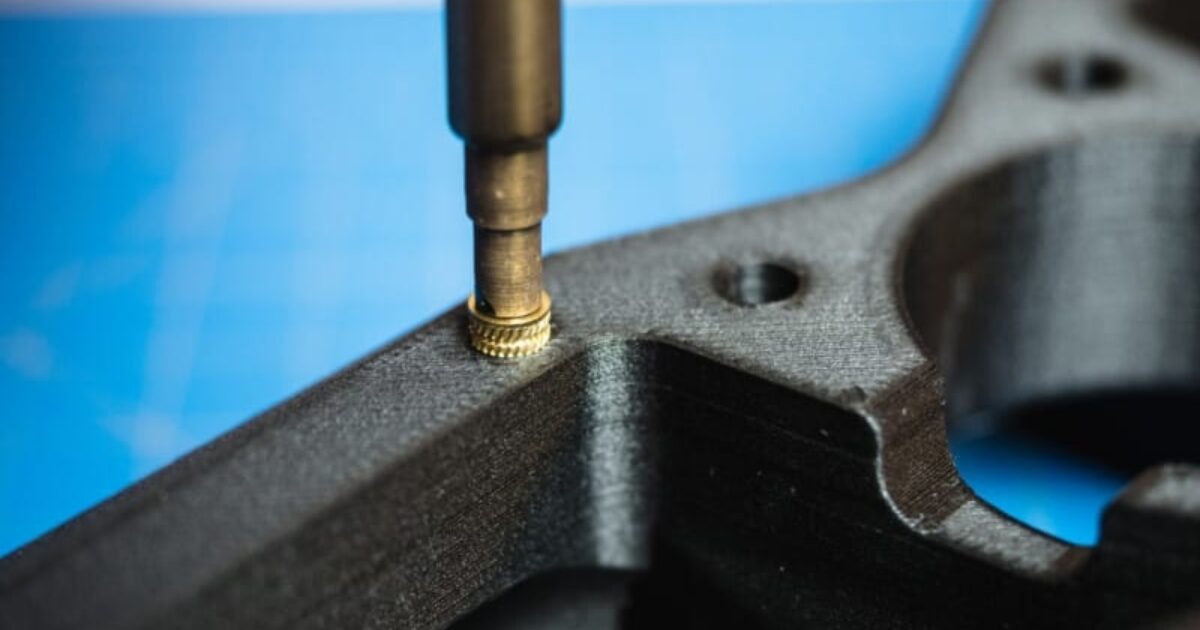
- design parts for insertion (e.g. heat insertion oder hole insertion)
- design parts with self-locating features
Design for additive manufacturing
avoiding support material is one element of an emerging field called design for additive manufacturing
- e.g. linkages with openings in different directions (x and y axis)
Top-down assembly
- the assembly will be stable
- eliminate the time to re-orient the assembly
Techniques
Press fit
under pressure, one part is forced into a slightly smaller hole in the other part
- avoids additional parts like screws and takes less time than glue
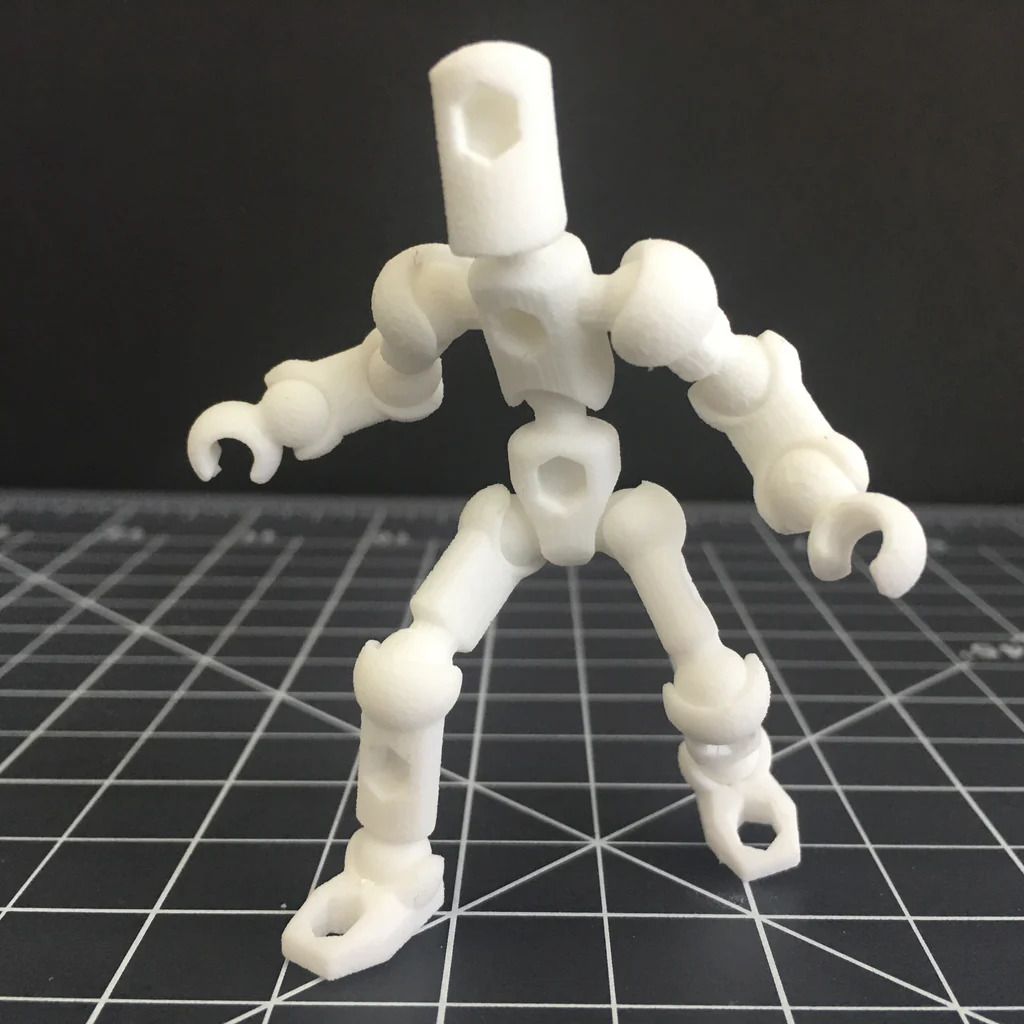
Snap fit
assembly method used to attach flexible parts by pushing the parts’ interlocking components together
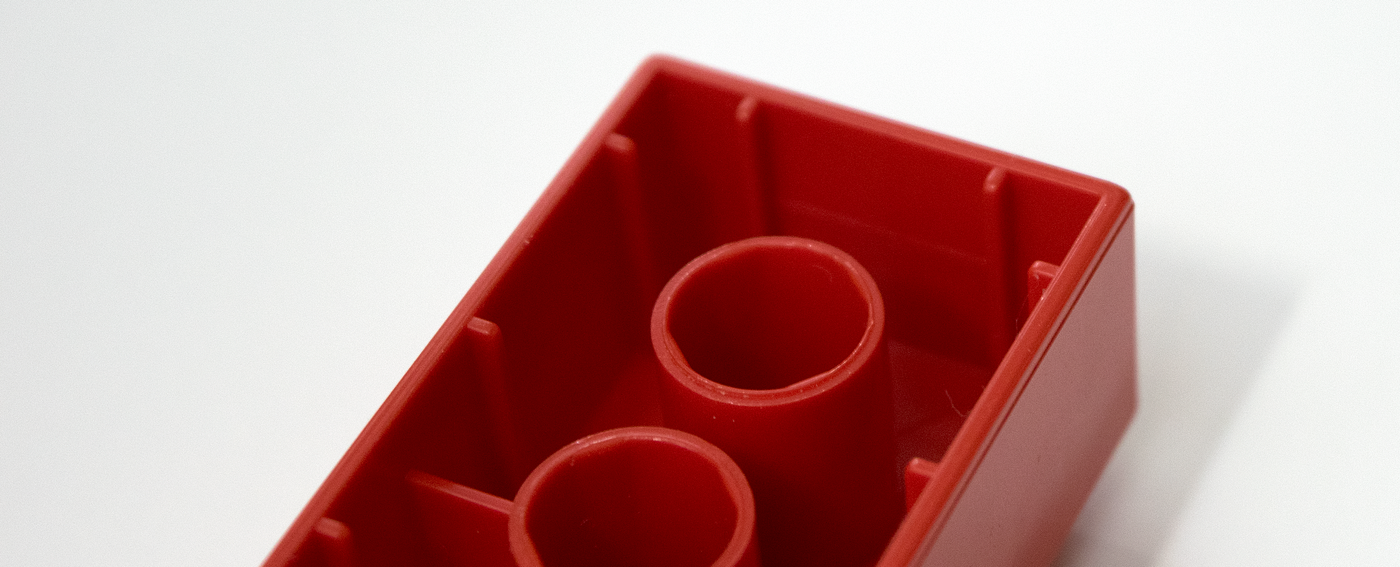
Crush rib
small protruding features that deform to create friction when different components are pushed together, securing their position.
- used for example in Lego pieces
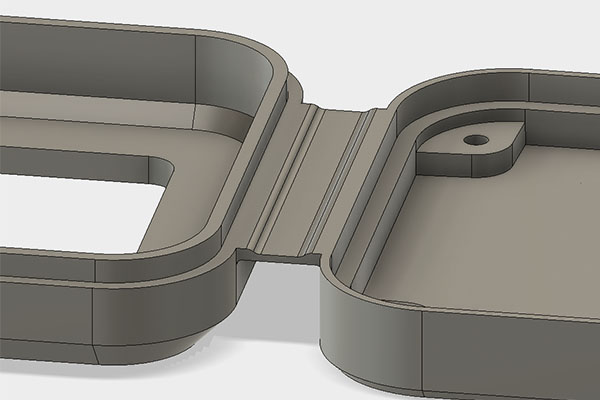
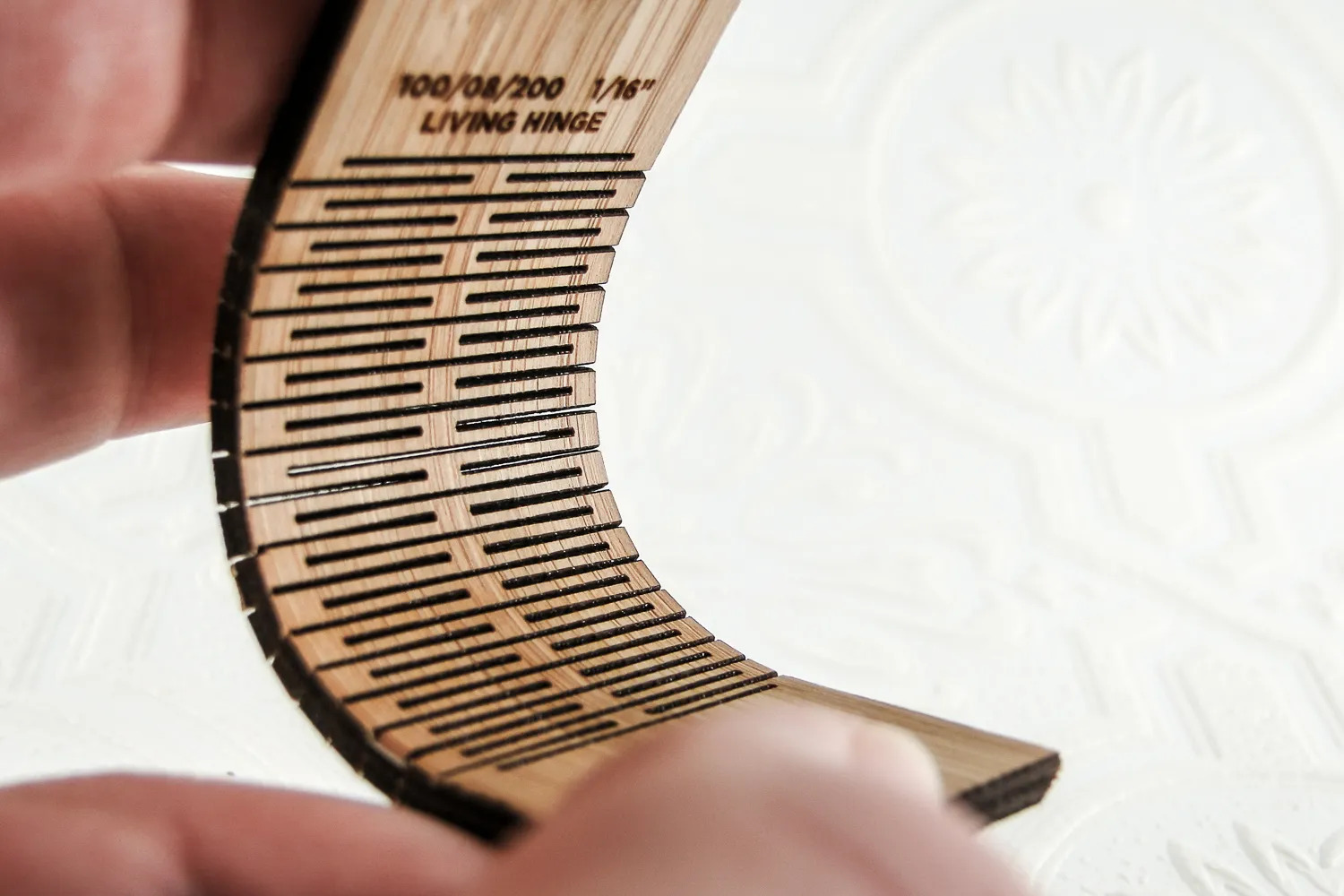
Living hinge
thin sections of plastic that connect two segments of a part and allow it to flex and bend
Heat insertion
mounting a part by transferring heat from the heated part to the enclosing plastic part
Hole insertion
inserting spring into hole requires trial and error slant (schräge Kante) guides spring
Jig or fixture (aka custom tool)
custom-made tool used to control the location and/or motion of parts or other tools
- e.g. casing of DualPanto
- typically separate and re-used
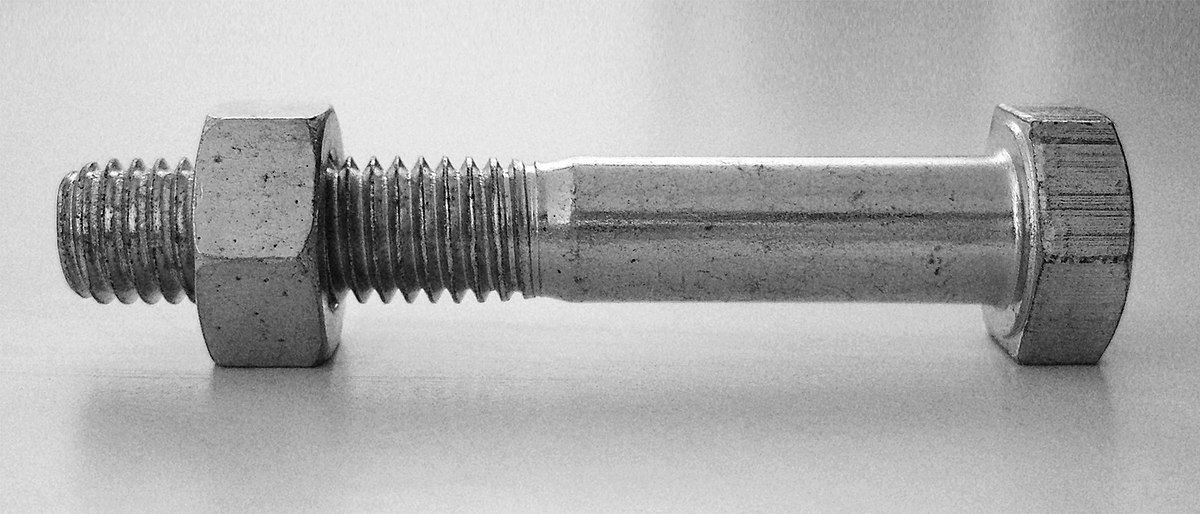
Bolt (Maschinenschraube)
somewhat similar to a screw, but allows mounting a nut (Mutter)
3D printing
fused-deposition modeling melts plastic (ABS or PLA) and squeezes it through a thin nozzle